

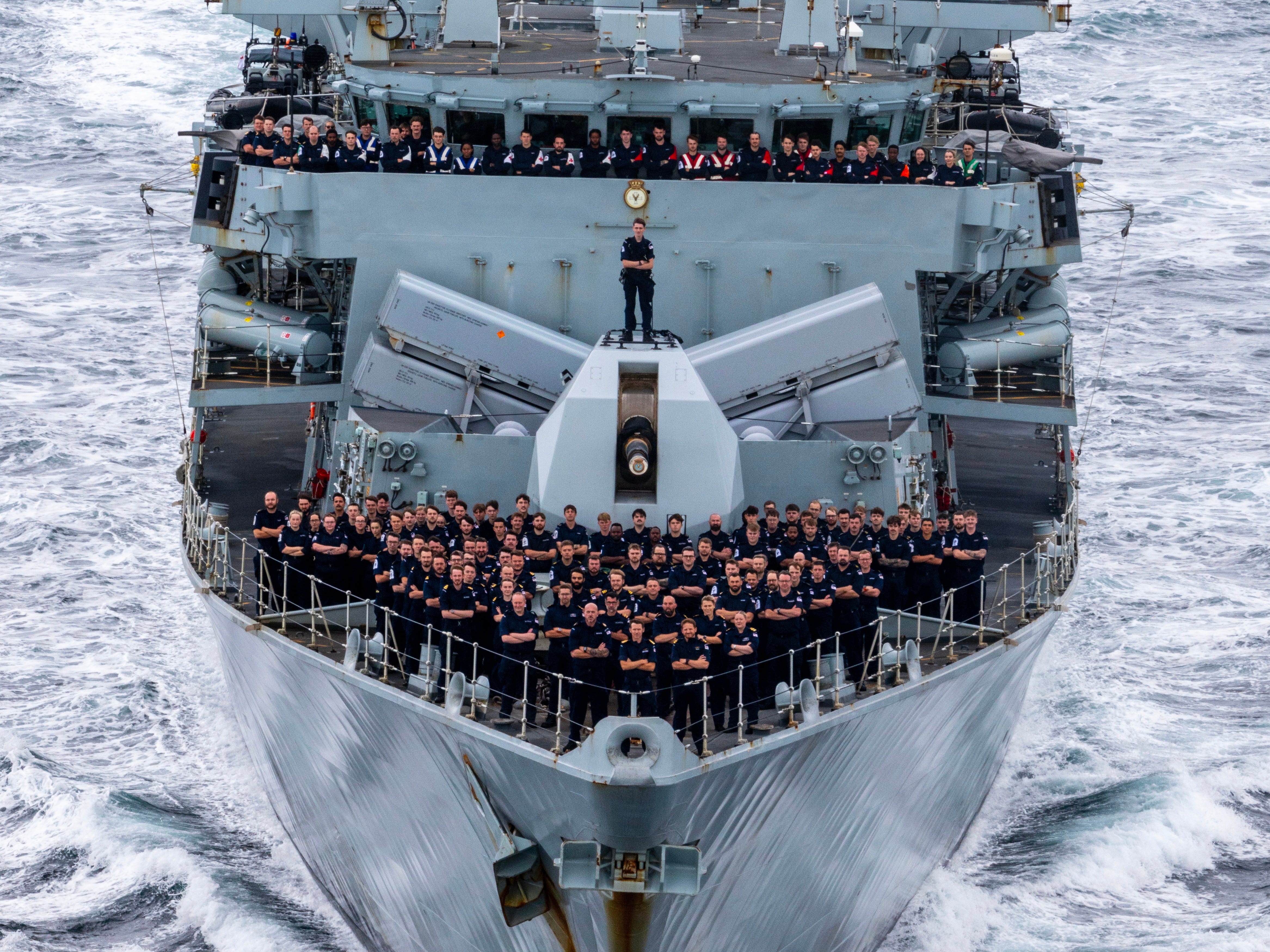
The promise of a Hybrid Navy depends on its people, engineering, and endurance. I wanted to reflect on this before I step back from publishing Future Navy for a while. Before I pause, I want to bring together the key questions from these articles and share what I will be watching as the future fleet develops.
Writing Future Navy has connected me with sailors, veterans, engineers, researchers, and those building the systems for the next generation of warships. Thank you to everyone who has read, shared, challenged, or contributed. These conversations have helped me test my ideas against a wide range of experiences.
My background is in both naval warfare and information technology. From directing weapons to managing complex IT systems, I have learned to ask what happens when a system is under pressure, when something fails, and when people must make decisions without all the information. These questions have guided this publication.
My main conclusion is that a Hybrid Navy must be seen as a complete fighting organisation. Its value depends on how ships, autonomous systems, weapons, information, and people work together, and whether that teamwork can last when things get tough.
From platforms to a fighting system
In articles about AI, threat evaluation, weapon assignment, command, and software-defined warships, I have focused on the link between information and authority. More sensors and faster processing only help if they let people understand what is happening and act effectively. AI has a lot of potential as a staff officer by gathering information, spotting patterns, testing options, and highlighting threats. But using AI must still allow people to question its recommendations, recognize uncertainty, and know who has the authority to act. It does not help to put someone in the decision process unless they have the time, information, training, and practical skills to use good judgment.
The same thinking applies to spreading capability across both crewed and un-crewed vessels. We need to ask how they share information, coordinate actions, and what they can do if communications are lost. A force built on constant connectivity must show how it will work when that connection is gone.
Because of my IT background, I pay close attention to shared dependencies. Redundancy does not help much if separate systems have the same software bug, rely on the same supplier, or share a communications bottleneck. The future fleet will need to test these assumptions just as carefully as it tests each platform.
Endurance beyond the first engagement
Magazine depth and reloading have been ongoing concerns. Spreading out launchers can help, but every weapon fired means the next resupply is needed sooner. We should look at how well we can keep fighting through multiple battles, not just what weapons we have at the start. This means we need to think about ammunition stocks, how we handle and move them, supply ships, protected storage, and the people who keep it all running. The same careful planning is needed for fuel, spare parts, maintenance, and repairs. Even an autonomous vessel can suffer from rust, equipment failures, and damage. Without a crew on board, we have to find new ways to spot and fix these problems.
The Last Mile: Sustaining the Hybrid Navy

The Hybrid Navy is steadily moving from concept to reality.
The articles about the last mile of support and lean manning looked at different sides of this issue. A smaller crew might run a ship well in normal times, but emergencies like fires, flooding, injuries, or long battles can all happen at once. My time on HMS Ardent in the Falklands Conflict, and the first Type 23 Frigate, HMS Norfolk, makes me cautious about any talk of crew size that does not look closely at these situations.
These are design questions for the entire force. Shifting work ashore, to a support ship, or to a remote centre still means people, equipment, and resources are needed somewhere. The organisation must be able to handle disruptions and competing needs.
The people who must deliver the change
A recent visit to HMS Excellent made me think more about the human side. Talking informally with sailors got me thinking about career opportunities, training, and the role of experienced ratings in the future Navy. These were just individual chats, not a full survey, but they raised important questions.
One worry was that the senior anti-air warfare rating’s role in missile launch command might be reduced as AI becomes part of the decision process. I also heard concerns about where hard-earned skills and responsibility will fit in the future. This is a serious issue for those designing both the systems and the careers around them. Sailors need to know how they will build and use their judgment, and how they will keep the authority and confidence to question a machine’s advice. Some also felt that training was watered down. In my talks, few people knew much about the Hybrid Navy, and even fewer talked about magazine depth. That gap is important. The people who will run, maintain, and command the new force need chances to understand its purpose, help shape it, and get ready for their roles.
We also talked about life on board. People enjoyed hearing about my time running Radio (HMS) Boxer when deployed to the Gulf in 1988 and how we used it to send audio messages home to our loved one’s by tape:
We discussed how making entertainment together is different from just watching satellite TV or listening to the radio, and about upper-deck barbecues where the cooking stayed in the galley. These might seem like small things, but they are about participation and belonging. I would not assume that bringing back my Navy would meet today’s sailors’ needs, but I do think we should ask what gives them the same sense of ownership, initiative, and shared experience.
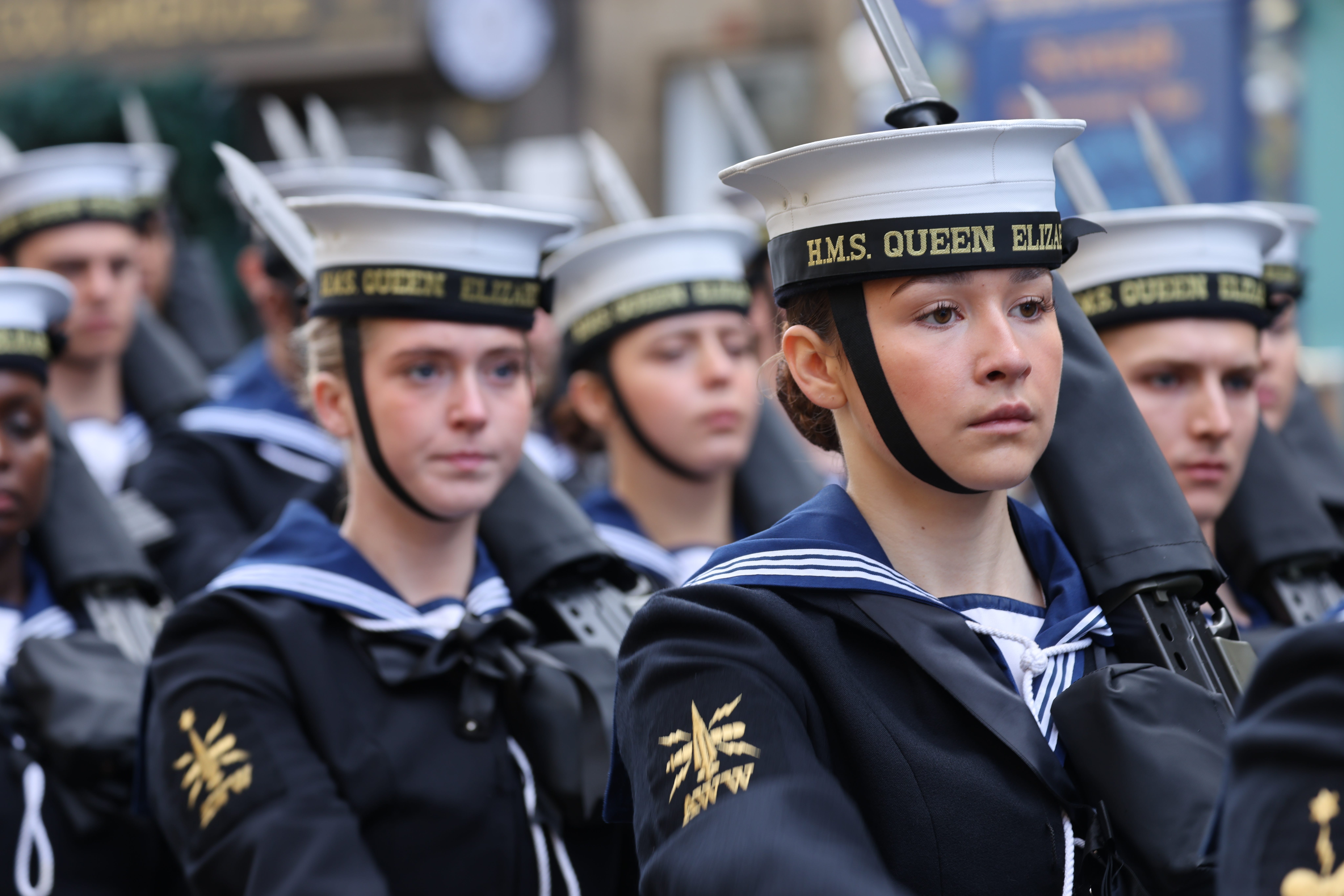
Some sailors also felt that ceremonial events are a big part of the Navy’s public image, but they were frustrated by not having enough operational opportunities. Ceremonial duties are important, but I wonder if sailors can see a clear and convincing picture of their professional future at sea. All of this directly affects how we staff the changes ahead. The transition will need experienced people to keep today’s fleet running while also testing new equipment, writing procedures, training others, and building new specialties. We need to plan for these demands. We cannot just hope that the right expertise and extra capacity will show up.
Recruitment is only part of the solution. Keeping people, offering real career paths for technical experts, protecting training time, and making smart use of reserves, industry, and civilian specialists are all important too. Most of all, serving sailors need to feel they have a real stake in the changes. Their confidence and experience will help decide if it works.
What I will be watching
The Atlantic Bastion and Falklands articles have shown how to test these ideas against real geography and missions. What needs to be detected? What needs to be protected? What can get to the area, stay there, and be supported?
Who has authority when things change?
These questions help keep our thinking focused when looking at future developments. I will look for signs that demonstrations are turning into reliable operational abilities, that systems can work together in real conditions, and that crews and machines are ready to operate even if communications are down.
I will also pay attention to whether support systems, ammunition supplies, and infrastructure are growing along with new platforms. Most of all, I want to see if sailors understand where things are headed and can see good career opportunities. When new equipment is announced, there should be clear answers about who will use it, maintain it, teach it, and take responsibility for it.
There is plenty of reason to be optimistic about what technology can offer. But making that promise real will take ongoing engineering, training, and organisational effort. It will also require us to listen when the people doing the work point out problems.
For now, Future Navy will take a break. The current articles will stay available, and I hope they keep sparking useful discussions. I do not have a set date for returning to regular publishing.
Thank you for being part of this conversation. The question I will keep asking is the same one that has guided this work: can we give the people of the future fleet the tools, experience, and support they need to succeed when it matters most?
Richard Gough