

Why this article
With tensions again rising around the Strait of Hormuz and global oil flows under scrutiny, it is worth remembering that the region has faced similar crises before. I served on three Royal Navy deployments to the Gulf between 1977 and the Tanker War of 1988, and those experiences still offer useful perspective on today’s debate.
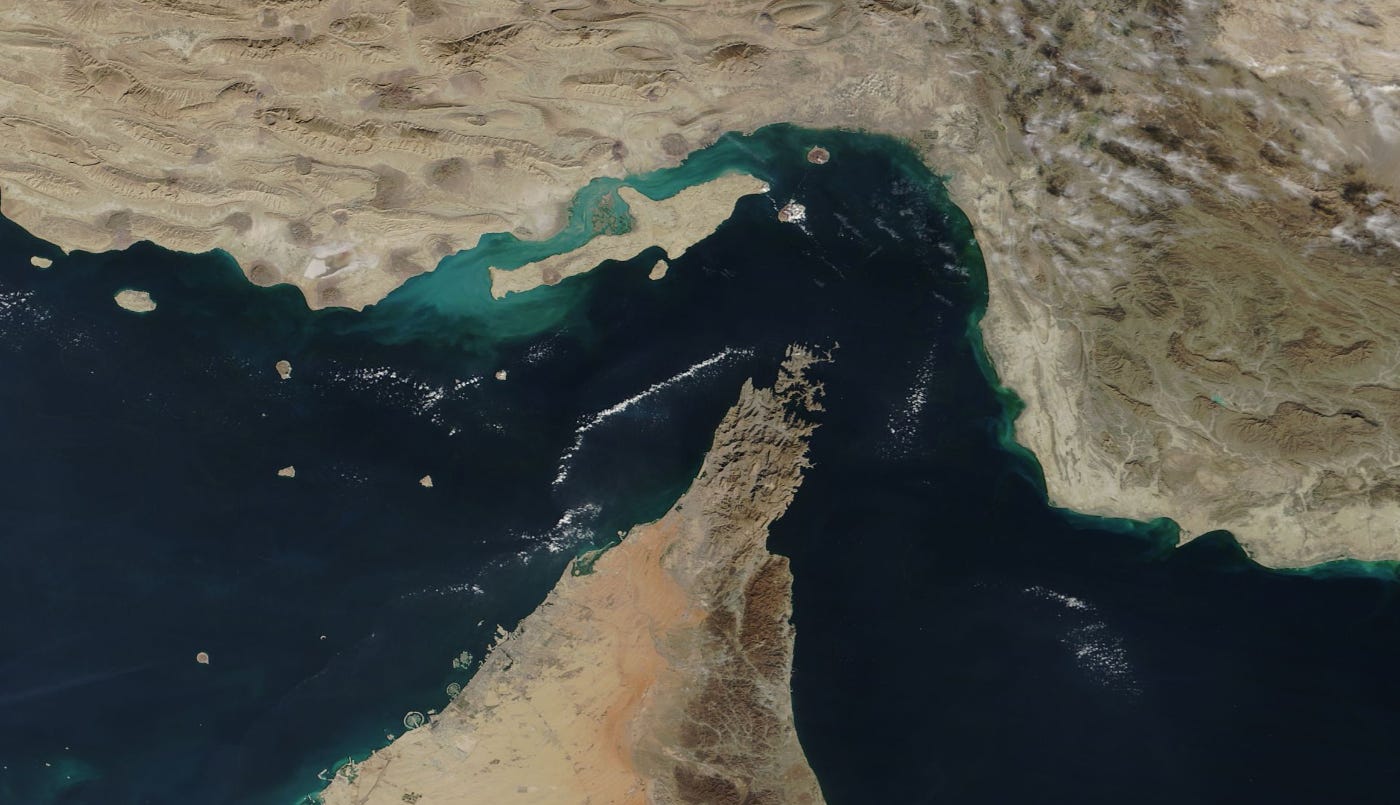
The Strait of Hormuz is once again at the centre of global energy politics. Much of the current debate treats the region as if its strategic dynamics are new. They are not.
Between 1977 and 1988, I served on three Royal Navy deployments to the Gulf that spanned the collapse of one regional security system and the emergence of another.
Those experiences highlight lessons about maritime risk in the Strait that remain relevant today.
A deployment built on an assumption
In November 1977, a Royal Navy task group crossed the Gulf from Dubai to Bandar Abbas to take part in a multinational naval exercise. I was serving aboard the frigate HMS Mohawk, part of a the Group 6 deployment led by the cruiser HMS Tiger.
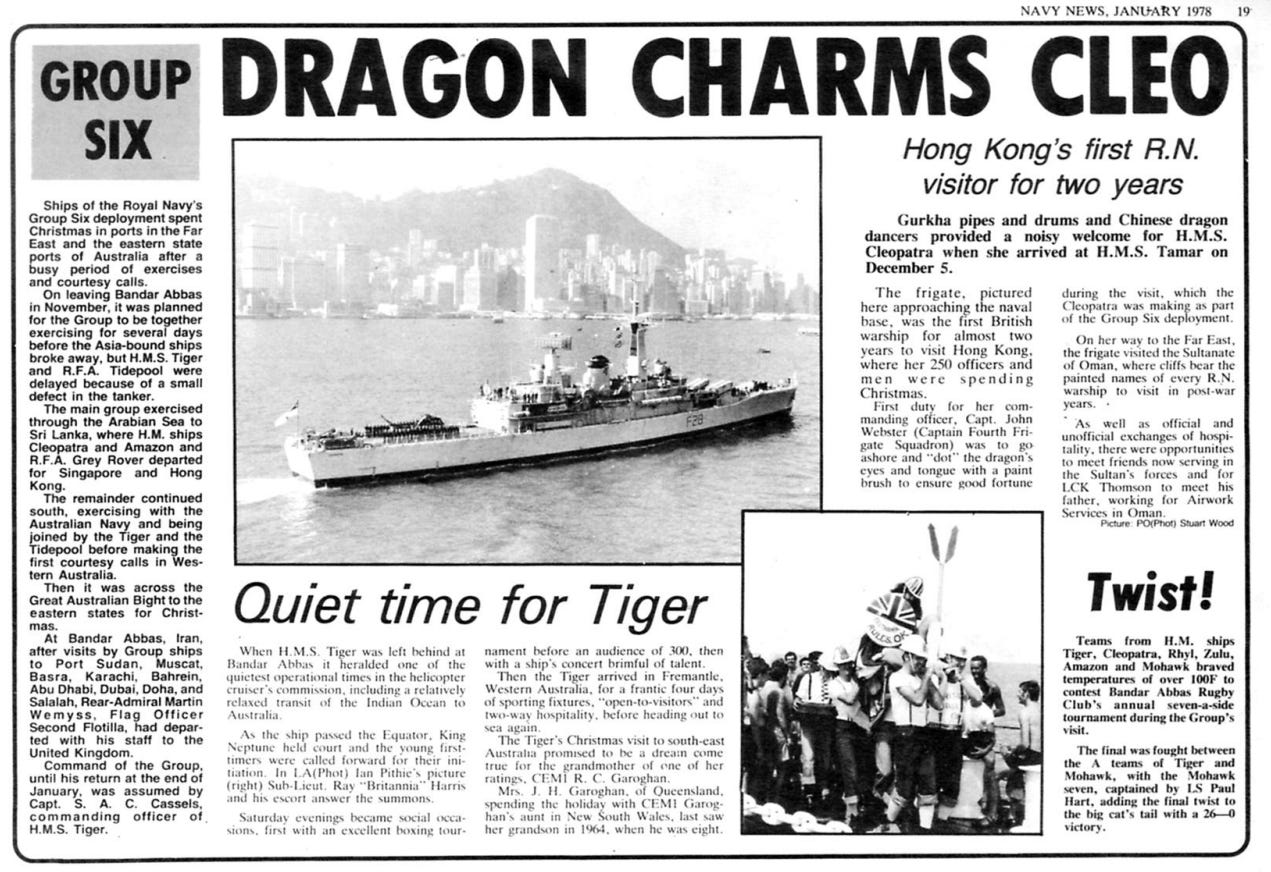
The exercise, called MIDLINK, brought together ships from Britain, the United States, Iran, Turkey, and Pakistan. It was conducted under the umbrella of the Central Treaty Organisation, better known as CENTO. The Central Treaty Organization (CENTO), originally known as the Baghdad Pact, was a Cold War-era military alliance formed in 1955. It was modeled after NATO and intended to prevent Soviet expansion into the Middle East. The original members included Iran, Iraq, Pakistan, Turkey, and the United Kingdom, with the United States providing support as an observer and through bilateral agreements.
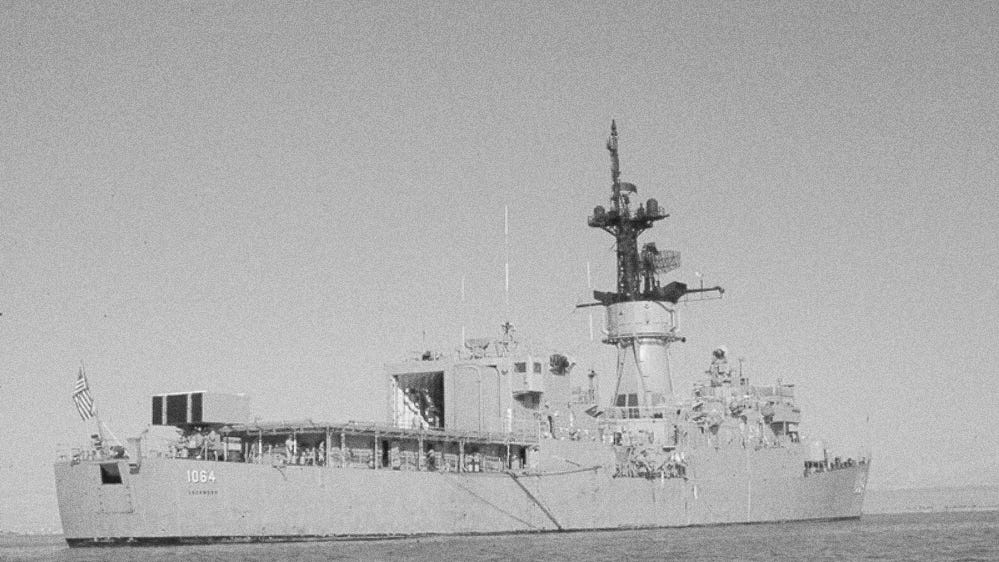
At the time, the strategic logic seemed straightforward. Iran, under the Shah, was expected to anchor Western security in the Gulf. Allied navies trained together so that the sea lanes through the Strait of Hormuz would remain open. For the sailors involved, it felt like routine Cold War naval cooperation.
Within two years, that entire system had disappeared.
The world CENTO expected
CENTO had its origins in the 1950s Cold War effort to contain Soviet influence across the Middle East.
The alliance linked Turkey, Iran, Pakistan, and the United Kingdom, with strong American support. By the 1970s, its practical focus had shifted toward protecting the stability of the Gulf and the flow of oil that underpinned Western economies.
Iran was central to that vision.
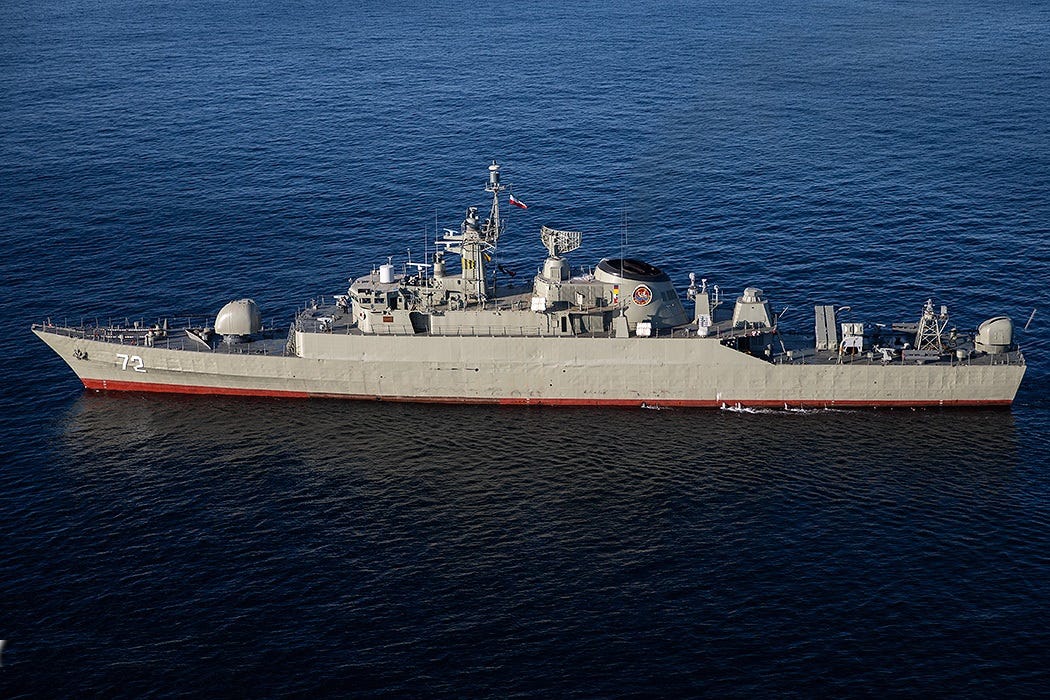
Under the Shah, Iran was building one of the most modern naval forces in the region. British-built warships, American aircraft and expanding naval bases were part of a strategy that assumed Iran would become the regional guardian of Gulf sea lanes. Exercises such as MIDLINK were designed to test that system.
History intervened before the system could mature.
A system that vanished overnight
In 1979, the Iranian Revolution swept away the Shah’s government and the strategic framework that had been built around it. Iran withdrew from CENTO, and the alliance itself quickly collapsed. The Western assumption that Iran would anchor Gulf security proved completely wrong.
Within a year, the region was engulfed in the Iran–Iraq War, and Western navies began returning to the Gulf in a very different role.
Returning under very different circumstances
I returned to the Gulf in 1983 aboard the frigate HMS Avenger as part of the Armilla Patrol. The Armilla patrol was a permanent Royal Navy deployment in the Persian Gulf during the 1980s and 1990s, established to protect British shipping interests, particularly during the Iran-Iraq War. It served as a precursor to modern Gulf patrols and was often reinforced during high-tension periods.
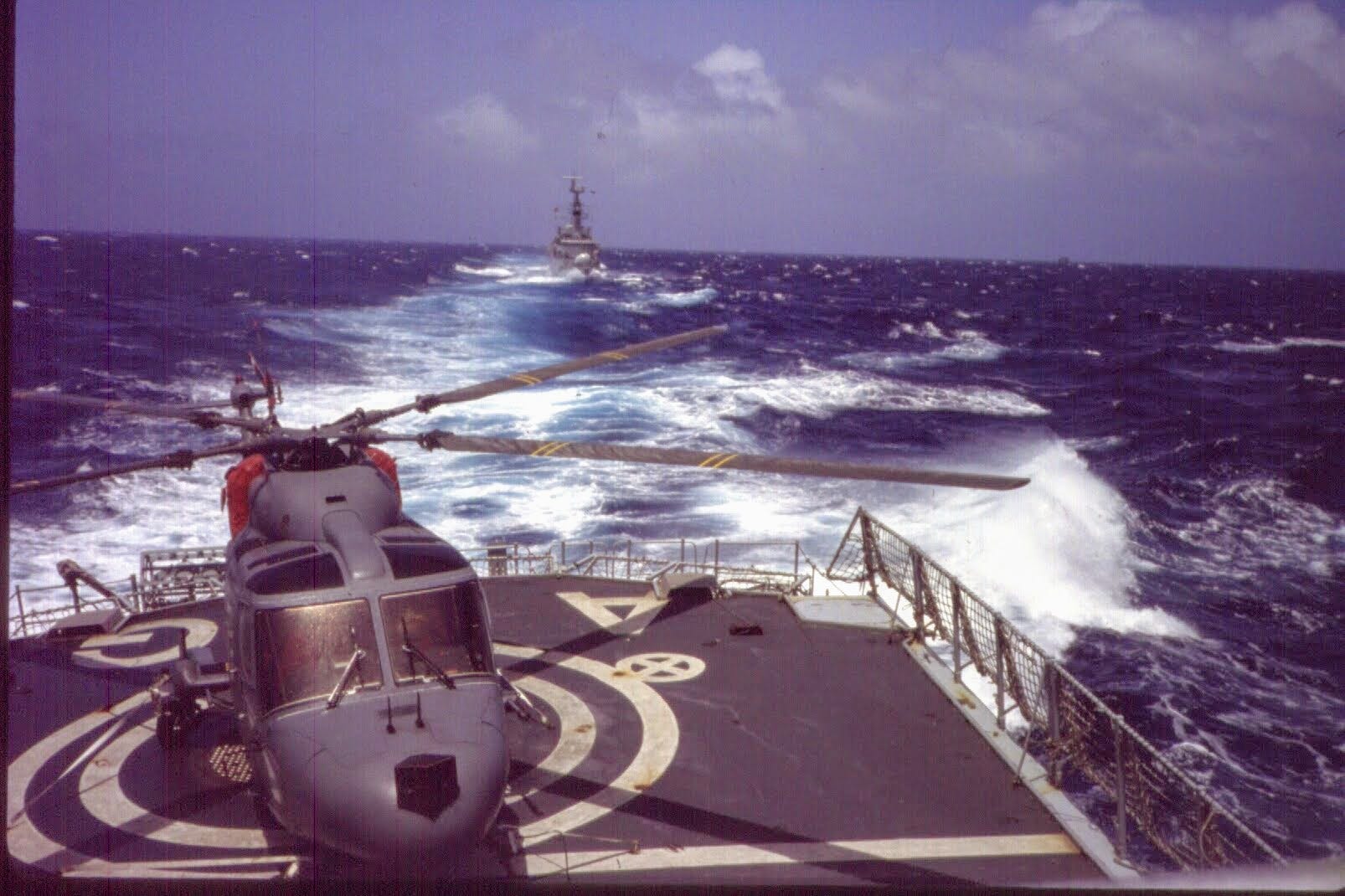
By then, the strategic landscape had already shifted dramatically. The war between Iran and Iraq was threatening merchant shipping across the region, and Western navies were maintaining a presence to reassure commercial traffic and regional partners.
Five years later, I returned again, this time aboard the frigate HMS Boxer during the height of the Tanker War. Tankers were burning. Mines were appearing in shipping lanes. Missiles were striking merchant vessels. Insurance markets in London were watching events in the Strait almost in real time.
Yet even during the most intense phases of that conflict, one thing never happened.
The Strait of Hormuz never truly closed.
Geography always wins
The Strait of Hormuz looks wide on a map. In reality, the navigable shipping lanes are narrow and highly structured. Tankers transit through a traffic separation scheme that provides only limited manoeuvring room.
Ships carrying millions of barrels of oil navigate this narrow, structured corridor, one of the world’s most critical routes. Roughly a fifth of global oil trade still passes through it. The geography remains as it was in the 1970s.
That geography sets clear limits on the power of military force in the Strait.
Disruption, not closure
Political commentary often speaks about “closing” the Strait of Hormuz as though it were a simple military switch that could be flipped. History suggests something more complicated.
During the Tanker War, hundreds of ships were attacked using mines, missiles and fast attack craft. Merchant vessels were damaged, insurance premiums surged, and transit risks increased dramatically.
But oil exports continued.
The strategic effect was not the permanent closure of the Strait but the creation of uncertainty and economic pressure through disruption.
Today, disruption—rather than closure—is still the most potent tool for regional leverage.
HMS Boxer and the intelligence war at sea
By the late stages of the Tanker War, something else had quietly changed in the way naval operations were conducted in the Gulf. Ships were beginning to fight with intelligence.
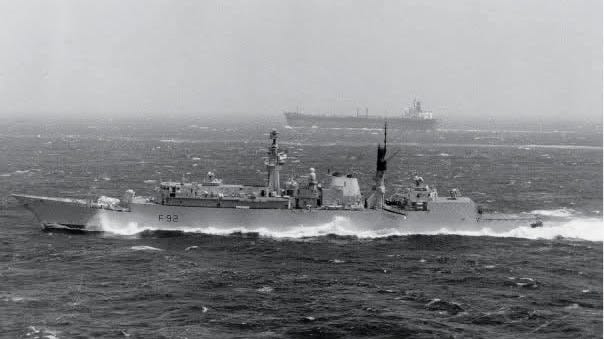
When I returned to the region aboard HMS Boxer in 1988, the ship carried an unusual capability for a Royal Navy escort at the time. Boxer carried an American OUTBOARD signals intelligence system, allowing the ship to intercept and analyse regional radio communications in real time.
Alongside the equipment were specialist communications technicians, including Arabic speakers who could interpret intercepted traffic in real time. This meant the operations room could often hear activity developing before it appeared on radar. Fast attack craft coordinating with shore stations. Patrol boats exchanging instructions. Coastal command centres directing movements across the Gulf.
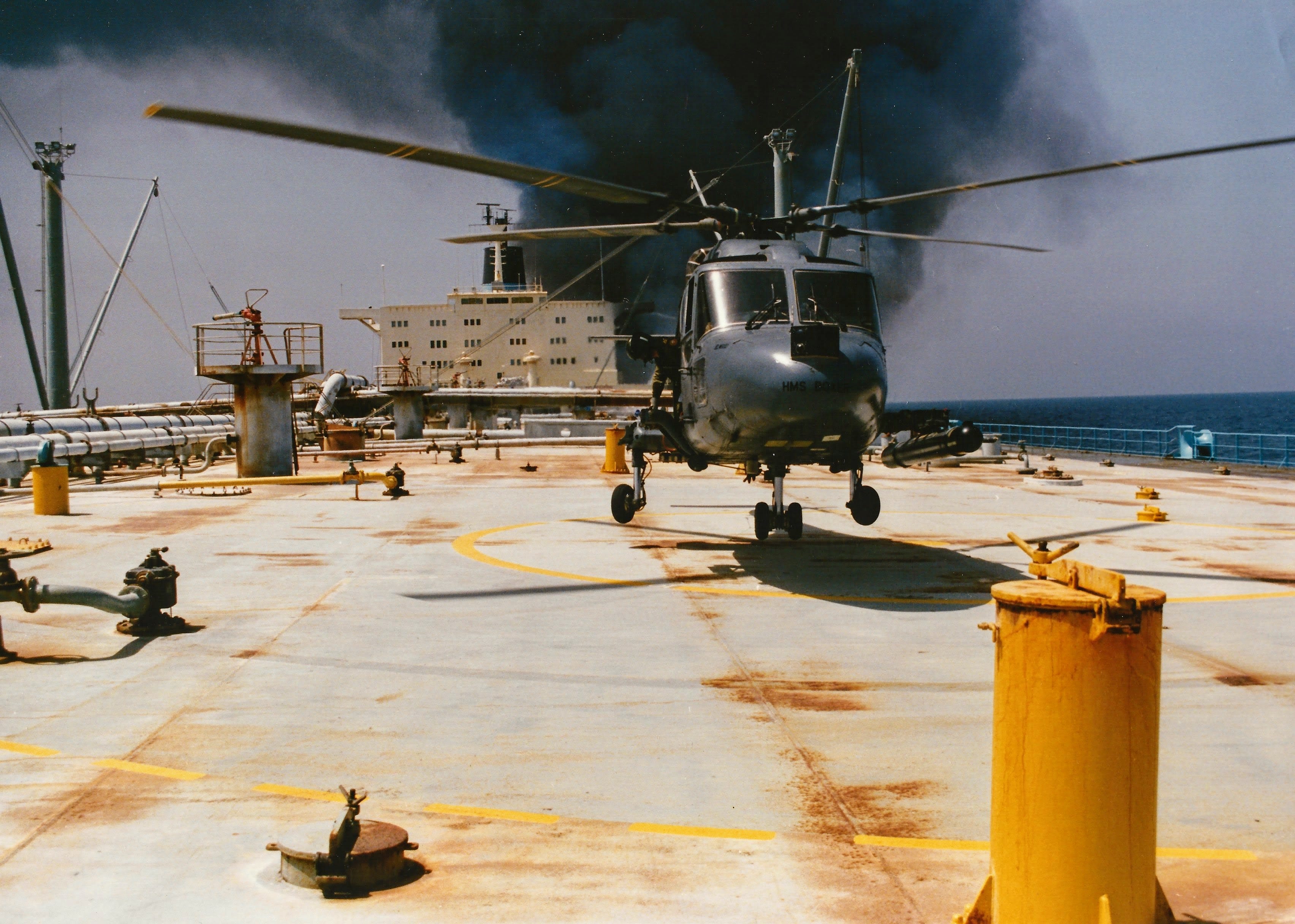
Boxer’s intelligence advantage signalled how information had become decisive in naval strategy—an enduring lesson for modern operations. Looking back now, that capability feels strikingly familiar. Modern naval doctrine talks about networked sensors, information dominance and data-driven operations, but the basic principle was already visible in the Gulf in 1988: the ship that understands the battlespace first holds the advantage.
A narrow strait and a long memory
When I first passed through the Strait of Hormuz in 1977, the assumption was that Iran would anchor the region’s security. Two years later, that system had vanished.
Four decades on, the Strait remains strategically vital. Its geography, shipping patterns, and even many of the tactics used to disrupt traffic remain unchanged.
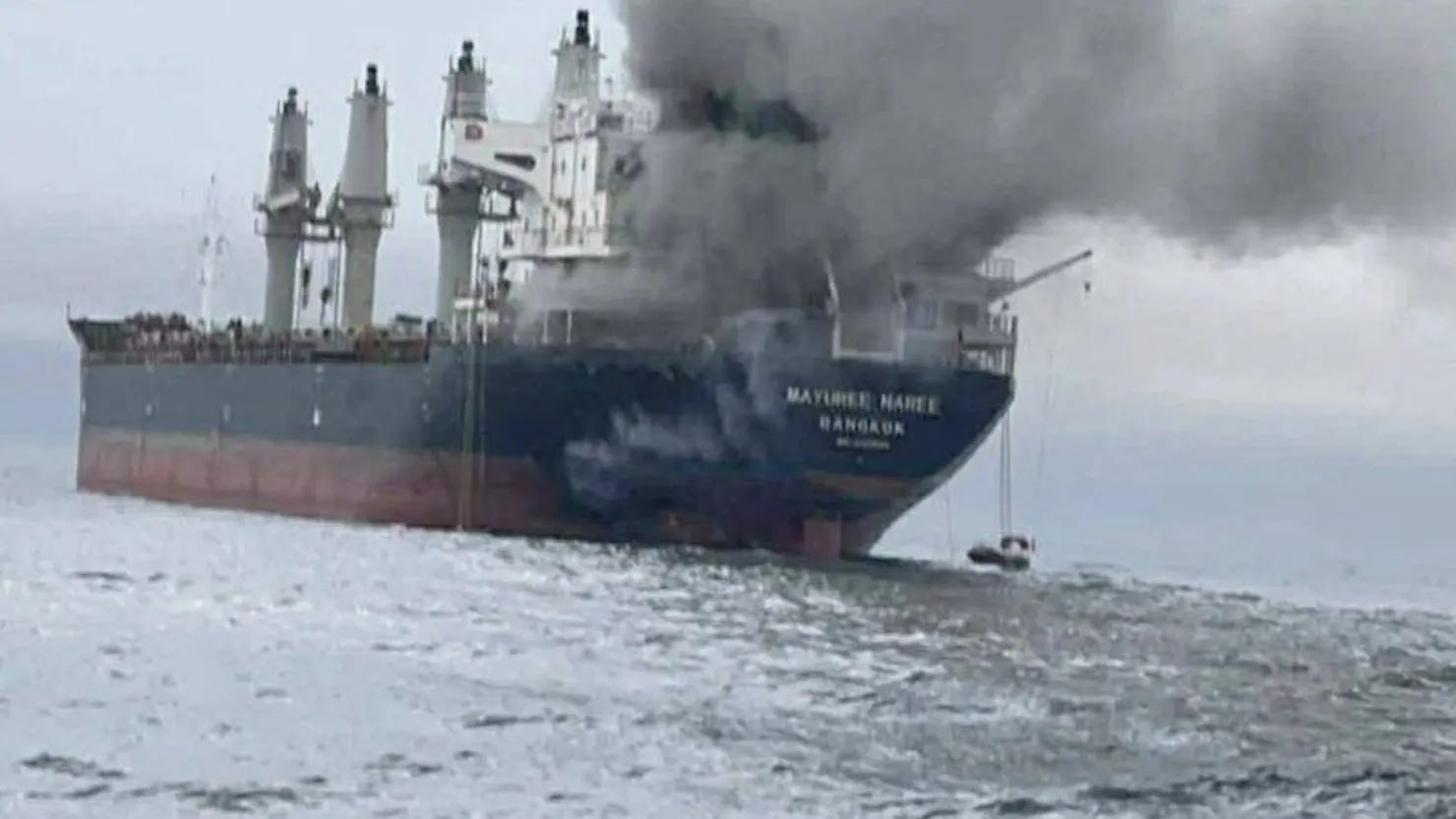
The Thailand-flagged cargo ship Mayuree Naree engulfed in black smoke in the Strait of Hormuz, 11 March 2026. - Reuters
What has changed is the tendency to discuss the Strait as though its history began yesterday. Those of us who stood watch there know better. The Strait has a long memory, even when the debate does not.