

In modern war, the decisive question is no longer who can strike first, but who can keep fighting when the magazines run dry.
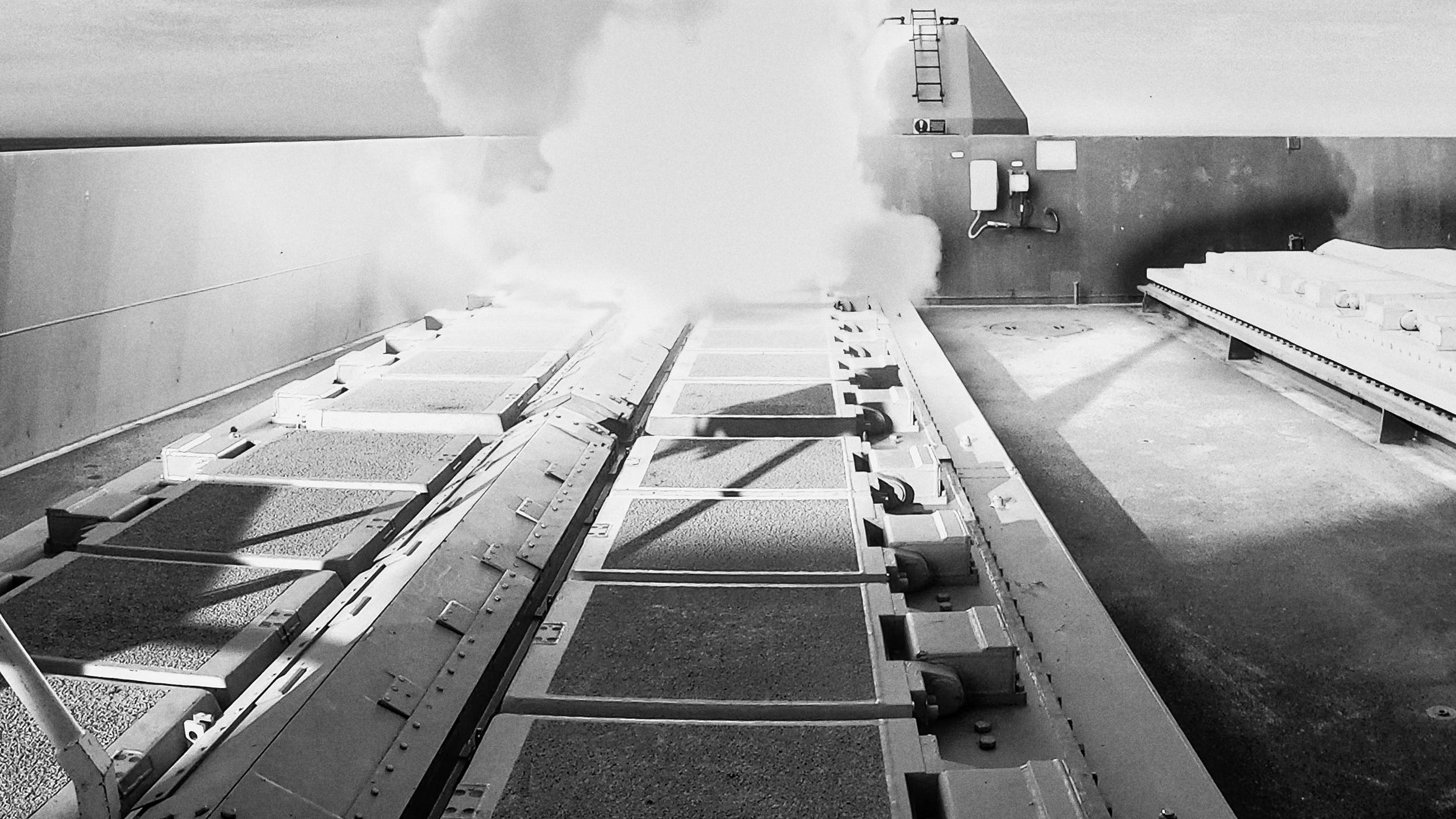
At the start, it looks like every modern naval engagement we have trained for. Clean tracks on the screen. Confident engagements. Interceptors leaving the rails on cue. But this fight does not end after the first exchange. It keeps coming. Wave after wave. Day after day. And slowly, the balance shifts. Not because the system fails, but because the weapons run out.
Sixteen days into the Iran conflict, the numbers told their own story. Over 11,000 advanced munitions expended during Operation Epic Fury. Not in a prolonged campaign, but in the opening phase. At that scale, warfare stops being about manoeuvre or precision alone. It becomes something more fundamental. A question of endurance, measured not in hours or intent, but in inventory.
All this leads to a fundamental rethink.
The Illusion of the First Fight
Western naval thinking still carries an implicit assumption. If the force is well-trained, networked, and technologically superior, it will prevail in the opening exchanges and shape the battle from there. That assumption is increasingly fragile.
The modern threat environment does not present a single, manageable engagement. It presents persistent, layered pressure. Drones, missiles, decoys, cyber effects, and ambiguity all arrive together, often at lower cost and in greater volume than the defender can comfortably absorb.
This creates a dynamic where success in the opening engagement becomes almost irrelevant if it cannot be sustained.
A ship may win the first fight. But if its vertical launch cells are depleted, if its interceptors are gone, if its resupply is weeks away, then it is no longer a combatant in any meaningful sense. It becomes a liability, or at best, a sensor node waiting for protection from others.
The question is no longer simply whether a ship can fight. It is whether it can remain in the fight.
Magazine Depth as a Warfighting Constraint
For much of the missile age, magazine depth has been treated as a design compromise. Hull size, cost, and role definition have all influenced the number of weapons a ship carries. Resupply has been assumed, but is rarely central to operational design.
That is no longer tenable.
High-end munitions are expensive, complex, and slow to produce. In a sustained conflict, they are consumed far faster than they can be replaced. This creates a structural imbalance between operational tempo and industrial capacity.
A modern destroyer may carry dozens of interceptors. It may expend them in hours.
Replenishment at sea for vertical launch systems remains limited. Rearming often requires port access, specialised infrastructure, and time measured in days or weeks. In a contested environment, those assumptions become fragile.
This is what the RUSI analysis captures so clearly. The decisive factor is not simply who has the better weapon system. It is the one who has command of the reload.
We have seen this before. In 1944, volume broke elegant defensive theories. Cheap, one-way attacks forced the U.S. Navy to fight repeatedly, at close range, with depth. That pressure is returning. But this time the magazine is finite. Modern air defence is built around vertical launch cells that cannot be replenished at sea. The constraint is no longer detection or decision. It is how quickly those cells empty, and what happens when they do.
The Industrial Base Enters the Battlespace
There is a deeper implication here. The defence industrial base is no longer a supporting function. It is part of the operational system.
Production rates, supply chains, and manufacturing resilience now directly shape combat endurance. A nation that cannot replace its munitions at the rate they are consumed will see its combat power decay, regardless of how advanced its platforms may be.
This is not a new idea in land warfare. But at sea, where we have long relied on high-end platforms and relatively small numbers, it represents a significant shift.
It also exposes a Western vulnerability.
Western forces have optimised for precision, integration, and efficiency. Potential adversaries are increasingly optimising for volume, affordability, and persistence. In a short engagement, precision dominates. In a prolonged one, volume begins to tell.
Where AI Actually Matters
Much of the current discussion around AI in warfare focuses on acceleration. Faster detection, faster classification, faster decision-making. All of that is valuable, but it is incomplete.
AI must now engage with a different question.
Not simply: what is the best weapon to use?
But can we afford to use it now?
This is a shift from tactical optimisation to endurance-aware command.
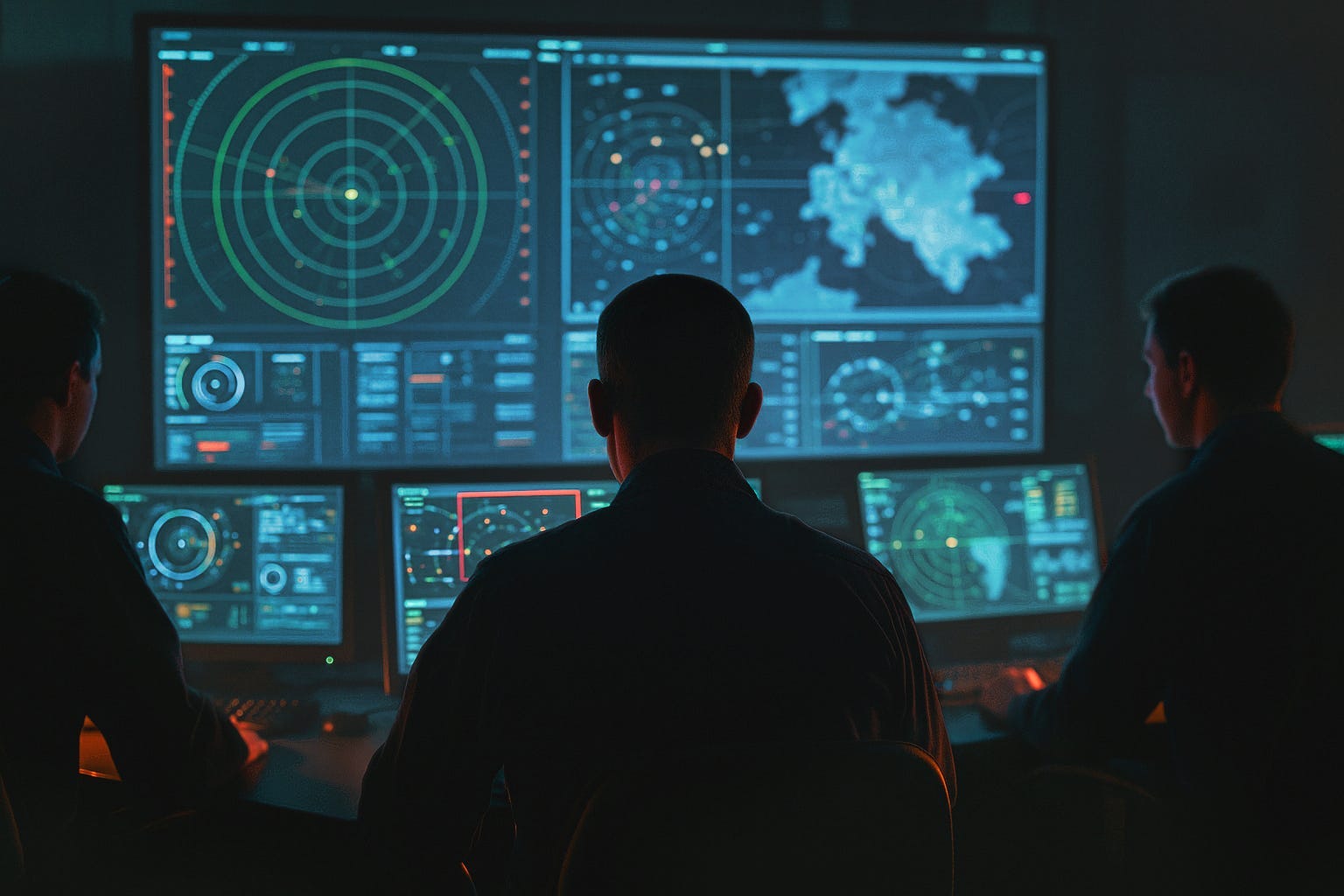
An AI-enabled combat system should track real-time and projected magazine levels across platforms, monitor threat activity, evaluate supply chain constraints, and simulate the impact of various tactical choices on long-term combat endurance. This provides commanders with clear data to make informed decisions, prioritising not only immediate response but also sustained operational capability.
It should do more than recommend tactics for winning an immediate battle; it should assist commanders in coordinating weapon usage, timing resupply, and allocating resources to maximise lasting combat effectiveness.
In effect, TEWA evolves. From allocating the best available weapon against a threat to managing the entire inventory of combat power over time.
This is not about removing human decision-making. It is about giving command teams visibility of something that is currently opaque and fragmented. The human still decides. The AI system ensures that decisions are informed by considerations of endurance, not just immediacy, by processing data and presenting insights to support operational choices.
The Distributed Answer
If magazine depth cannot be managed on one platform, it must be addressed across the system. This points toward a more distributed model of naval combat.
Large platforms matter for sensing, command, and high-end effect, but cannot carry the whole burden of defence. They need support from a broader ecosystem of assets contributing to magazine depth.
This could include smaller platforms carrying lower-cost interceptors, autonomous systems providing additional layers of defence, distributed sensors enabling earlier and more selective engagement, and alternative effectors such as directed energy where viable.
The aim is not simply to increase the number of weapons. It is to create a system where no single platform’s depletion ends the fight.
A Royal Navy Challenge
For the Royal Navy, this raises uncomfortable but necessary questions.
Current force design remains heavily influenced by platform-centric thinking. Magazine depth is finite, reload is constrained, and industrial capacity is limited. At the same time, the threat environment is moving toward persistence and scale.
The result is a growing gap between how we plan to fight and how a fight is likely to unfold. Closing that gap requires more than new missiles or new ships. It requires a shift in how we think about combat power itself.
Endurance is no longer a logistical detail—it is a command responsibility.
The Real Shift
The most important takeaway from the recent conflict is not the number of munitions used. It is what that number represents.
War has become a contest of sustained output.
Sensors, networks, and AI will still shape how we fight. But they will not determine whether we can continue to fight once the initial exchanges are over.
That will be governed by something far less discussed and far less glamorous.
Magazine depth.
Reload.
And the ability to command both.