

Two Royal Navy stories, published within days of each other, tell us far more about the future of naval warfare than any single technology announcement ever could.
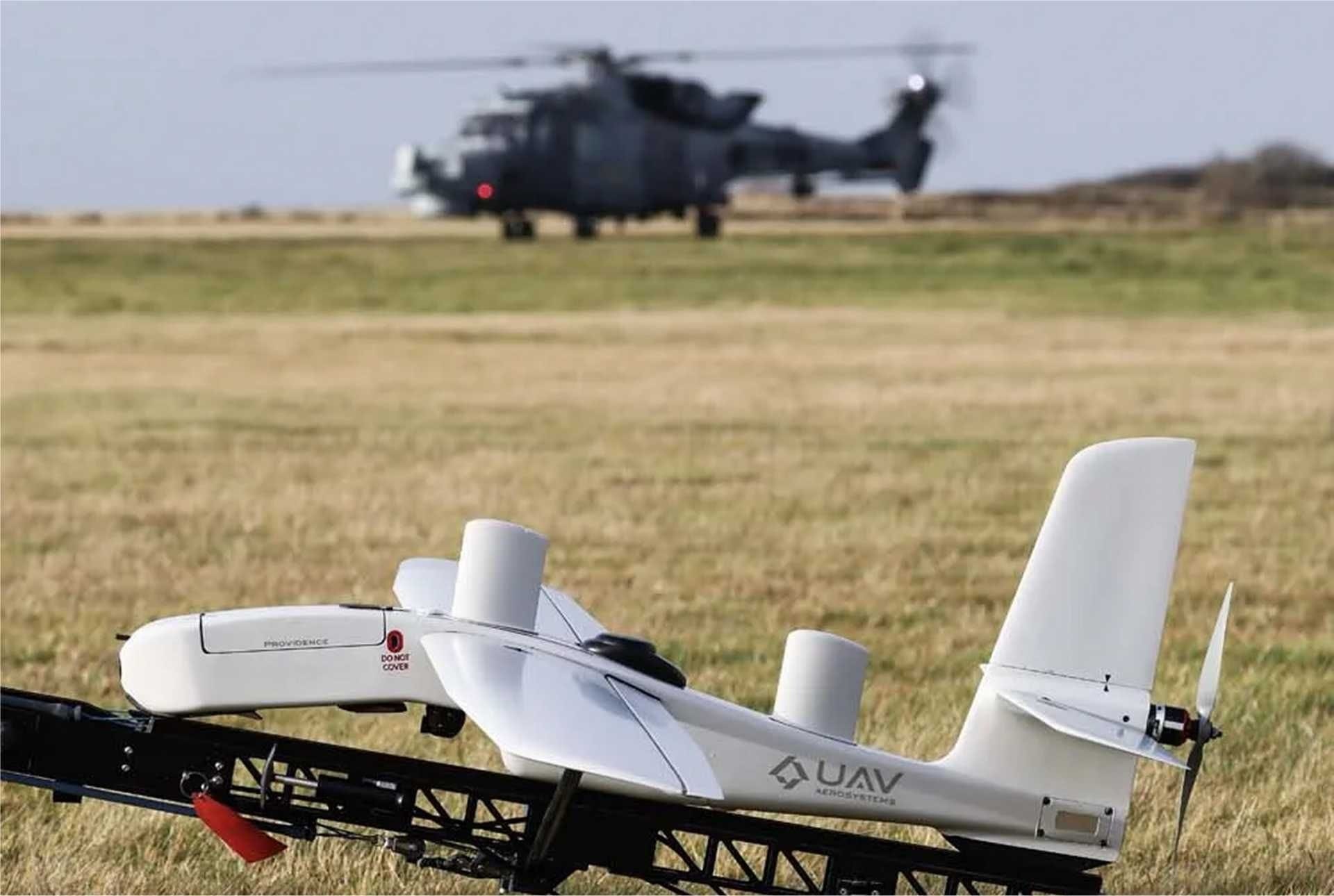
In the first, the Royal Navy demonstrated a helicopter taking control of multiple uncrewed aircraft in flight. A crewed platform acting as the airborne command node for drones, extending reach, persistence, and awareness well beyond what one aircraft could achieve alone.
In the second, a naval aviator was recognised for cat-like reactions that saved a £2.5 million uncrewed helicopter from destruction.
Read together, these are not competing narratives. They are a single, coherent story about where naval autonomy is actually heading, and why the human role is becoming more important, not less.
We have been here before. This is what AI Shipmate was always about.
Across Future Navy, and particularly in the AI Shipmate work, the argument has never been that artificial intelligence or autonomy replaces sailors.
The argument has been that it changes where human judgment sits.
AI Shipmate was framed as a staff officer, not a captain.
A system that filters, prioritises, and proposes.
Never one that commands.
What we are now seeing at sea is that philosophy made real.
In the helicopter drone trial, autonomy handled extension. As the drones fanned out across the horizon, the crew could see on their displays a mosaic of feeds, each depicting a different angle of the expansive battlespace. It widened the sensor net, stayed airborne longer, and absorbed risk. But intent, authority, and judgment stayed with the crew.
In the recovery of the uncrewed helicopter, AI was irrelevant. The decisive moment was human perception, experience, and instinct under pressure.
That is human–machine teaming done properly.
Assurance is not a paperwork exercise. It is lived on the flight deck.
Much of the debate around autonomy and AI assurance quickly becomes abstract. Frameworks, governance models, and ethical checklists. Those matter, but assurance ultimately lives at the sharp end.
A system is trusted because:
Operators understand what it can and cannot do.
They know when it will hand back control.
They believe they can intervene decisively when things go wrong.
The second story is, in many ways, an assurance success story. For instance, the operator reacted within approximately 5 seconds, saving the aircraft from descending by a critical 200 feet. This quick response time illustrates how preparedness can directly translate into saved assets.
A sailor trusted the system enough to operate it. They also trusted themselves enough to override it.
And the organisation recognised that intervention was a skill, not failure.
That is precisely the balance AI Shipmate argued for. Machines operate at machine speed. Humans retain responsibility. When autonomy falters, the human is not surprised, sidelined, or locked out. They are ready.
This is how trust is built in real fleets, not just in policy documents.
The myth that autonomy is about fewer people
There remains a persistent belief, often outside the naval profession, that autonomy is primarily a tool for workforce reduction. But we must ask: What price do we pay when no sailor is on hand to intervene? It’s an attractive idea for spreadsheets, promising savings and efficiency. Yet it is a dangerous one in operations.
Autonomy compresses time and expands space. It allows a single platform to sense, influence, and persist across a much wider battlespace. But that amplification raises the cost of error. When systems become more interconnected, the consequences of a bad decision escalate faster.
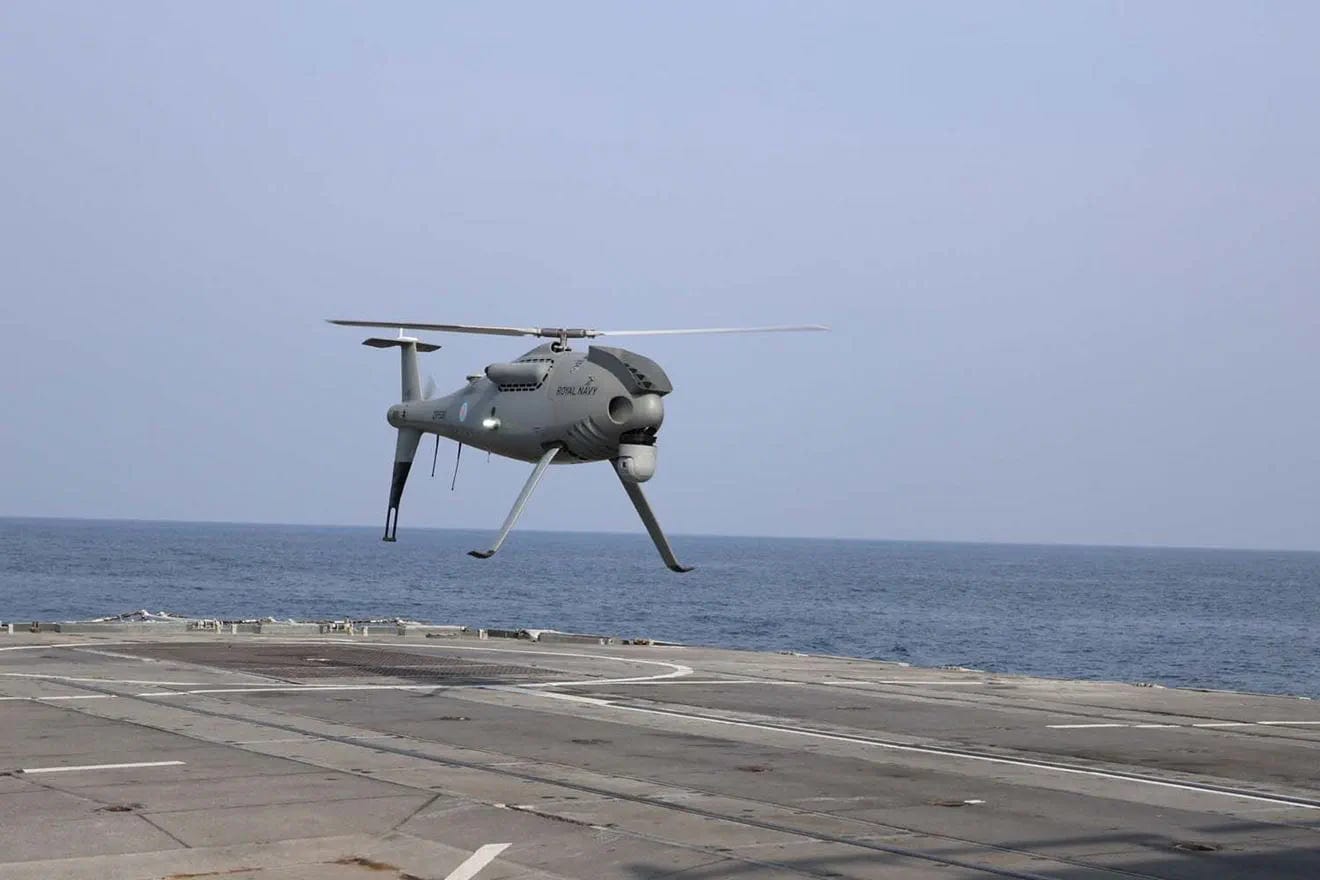
This does not diminish the need for people. In fact, it increases the need for better-prepared individuals. The sailor who saved the uncrewed helicopter did not just save an asset. They preserved confidence in the wider autonomous system. That confidence is fragile. Lose it, and autonomy stops being used, no matter how advanced it is.
Command is a scarce skill in an autonomous fleet. One of the quiet but profound aspects of the helicopter trial is what it says about command. The crewed aircraft was not just another sensor. It was the authority node, deciding how the drones were employed, when they mattered, and when risk was acceptable. This contrasts sharply with commercial applications like package delivery drones, which can simply reroute orders when necessary. In military scenarios, a command decision might mean adjusting rules of engagement, carrying significant consequences for missions and lives. This reinforces a theme that runs through your Future Navy work.
In future fleets:
Sensors will be plentiful.
Autonomous effects will be cheap.
Data will be abundant.
What will remain scarce is what we can call ‘interpretive command judgment.’ This ability to interpret intent, balance mission against risk, and take responsibility when machines act at speed will define professional mastery. That skill cannot be automated away.
If anything, autonomy concentrates responsibility upward and inward. Fewer hands on controls, more weight on each decision.
Why this matters for the future fleet
The Royal Navy of the next decade, by 2032, will be leaner in hulls and aircraft, but broader in reach.
It will rely on:
Crewed platforms as command hubs
Uncrewed systems for mass and persistence
AI to manage tempo and complexity.
But none of that works if assurance is treated as an afterthought or autonomy is sold as a replacement. To truly convince a sceptical admiral that assurance is “baked in” rather than bolted on, one might ask: What single indicator would demonstrate this level of integration? This reflection invites us all to consider how to make assurance an inherent part of the process.
These two stories show a healthier path.
Autonomy as augmentation.
AI as staff work.
Humans as accountable decision-makers. “Standing on the flight deck, I know that every decision I make could change the outcome,” says a flight-deck sailor, underscoring the personal responsibility and emotional investment present in every mission.
That is not resistance to change. It is how change succeeds.
The real lesson
The future of naval warfare is not human versus machine. It is human plus machine, with responsibility staying firmly where it belongs. Autonomy did not save that drone, a sailor did.
And the more autonomous the fleet becomes, the more decisive that sailor will need to be. That is not a problem to solve. It is the point.